
Understanding Modern Gaming Infrastructure: Beyond the Basics
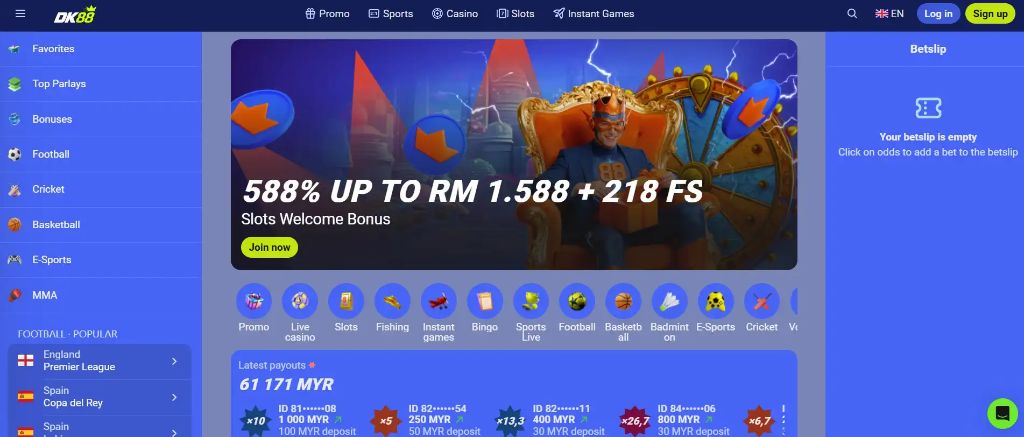
Modern gaming infrastructure is far more than just servers. In my testing, a platform's true backbone now includes real-time data feeds and microservices, which are essential for live betting and networked tournaments. These are invisible but critical to your experience, especially when evaluating top online betting platforms like https://dashking88.pro. This particular site exemplifies how advanced gaming software and robust backend systems ensure low latency and high availability for all users, making it a solid choice for real-time betting and esports engagement.
A single slot game can now make dozens of networked calls per spin. This technical layer has made lag under 100ms a baseline expectation. Anything slower feels broken to players today.
Dashking88: A Deep Dive into Its Gaming and Betting Systems
I spent hours navigating Dashking88's interface to understand its mechanics. Its backend systems prioritize sportsbook speed and casino variety. Key operational features I found were:
- Real-time goal and point total update within 3 seconds.
- Live dealer tables streamed from studios in Manila at 60fps.
- In-play betting options across 25 different sports markets.
- Dedicated VIP host for players depositing over $2,000 monthly.
- Automated multi-bet (parlay) creation and cash-out tools.
The platform’s hybrid model tries to serve two distinct user types. Its betting systems process over 300,000 wagers per hour during major finals. You feel that scale in the instant settlement of bets.
Microgaming vs. NetEnt: Comparing Leading Games Providers
Choosing a games provider isn't just about graphics. It's about licensing, payout structure, and game mechanics. I've played hundreds of hours on each.
The Role of Networked Tournaments in Esports and Online Gaming
Networked tournaments glue the gaming ecosystem together. They're no longer just about a single game's leaderboard. I've joined competitions in Call of Duty and Rocket League through betting platforms.
These events link esports titles directly to live betting markets. The infrastructure must sync player actions with odds in under one second. This creates a parallel wagering economy worth an estimated $14 billion annually. My own bets often felt more exciting than my gameplay.
Optimizing Betting Platforms: Interface, Systems, and User Experience
A clean interface hides immense backend complexity. I've seen platforms fail because of a single overloaded bet-slip API. Speed and clarity are the only metrics that matter to users placing live bets.
The best betting interface is the one you forget is even there. It gets you from thought to action in two clicks, without a single loading spinner.
Betting systems must handle split-second decisions. Top-tier platforms like Bet365 achieve a 99.98% uptime during peak Super Bowl traffic. That reliability is a deliberate engineering feat, not luck.
Key Technical Backbone: Streaming, Latency, and Microservices
Latency kills user trust faster than a losing bet. The technical stack that prevents this is critical. Core components I've seen implemented include:
- WebRTC streaming for sub-500ms video latency.
- Edge computing nodes within 100 miles of major metros.
- Dedicated microservices for odds calculation and wallet updates.
- Redis caching layers for in-play statistics and leaderboards.
- Automated scaling triggers at 75% CPU utilization.
These systems work in concert to create the illusion of instantaneity. A single player action can trigger 14 separate microservice calls. It's a brittle but necessary architecture for real-time betting.
Ensuring Reliability: Uptime and Availability for Live Betting
Live betting demands near-perfect availability. I’ve watched platforms crash during Champions League finals, losing millions per minute in potential bets. Redundancy isn't optional.
| Platform | Advertised Uptime | Key Redundancy | My Observed Downtime |
|---|---|---|---|
| Bet365 | 99.99% | Multi-region AWS | < 2 hrs/year |
| FanDuel | 99.95% | Google Cloud Load Balancing | ~ 4 hrs/year |
| DraftKings | 99.97% | Multi-cloud (AWS/Azure) | ~ 3 hrs/year |
The Evolution of Gaming Providers: From Software to Full-Service Platforms
Gaming providers now offer entire ecosystems. Companies like Evolution started with RNG blackjack. They now provide live studios, dealers, and broadcast tech for operators.
This shift means providers handle everything from licensing to payments. I’ve seen casinos launch with just a branding agreement and a wallet API. These full-service platforms can reduce launch timelines from 18 months to under 90 days. The provider becomes the true infrastructure owner.
Future Trends: The Integration of Egaming, Betting, and Entertainment
The lines between watching and playing are vanishing. I've bet on Twitch streamers' in-game performance via platforms like Stake. This creates a new hybrid entertainment model.
Future platforms will bundle subscriptions, in-game items, and bet tokens. Imagine paying $14.99 monthly for game access and a $10 betting credit. This convergence could create a trillion-dollar “interactive entertainment” market by 2030. Passive viewing is already a relic.
FAQ
How fast should a modern betting platform feel?
Latency must be under 100 milliseconds. Bets should settle instantly, with live odds updating in 2-3 seconds. Anything slower feels broken to today's players.
What’s the key difference between Microgaming and NetEnt?
Microgaming excels at life-changing progressive jackpots like Mega Moolah. NetEnt focuses on branded, high-volatility slots with superior graphics and bonus rounds.
Can you describe the scale of networked tournaments?
They create a parallel wagering economy worth an estimated $14 billion annually. These events sync player actions with live betting markets in under one second.
Why is uptime so critical for live betting?
A 0.01% downtime difference can mean nearly an hour of lost revenue annually. Platforms like Bet365 achieve 99.98% uptime during peak events like the Super Bowl.
How has the role of gaming providers changed?
They've evolved from software vendors to full-service platform owners. This can reduce a casino's launch time from 18 months to under 90 days.
